

Article: The Irreplaceable Interior: Why Original Art Matters More Than Ever
Why texture, contrast, and personal collections belong at the heart of a home.
In a world of infinite images, the rarest thing may be a room no one else could assemble.
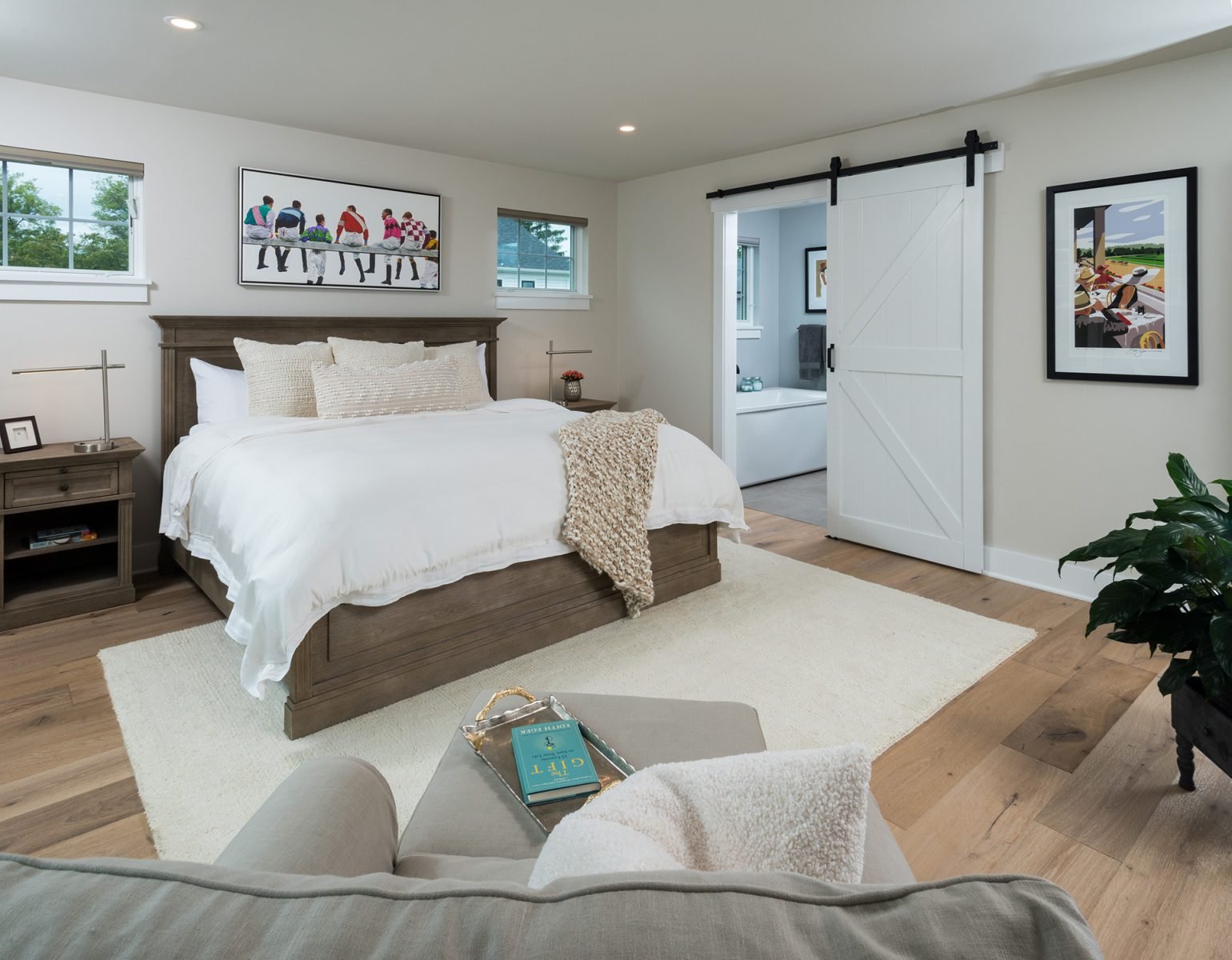
A perfectly coordinated interior can be beautiful. But the spaces that stay with us usually offer something more: an unexpected painting, an intriguing sculpture, or a combination of objects that reveals something about the person who chose them.
They feel collected, not completed.
That distinction sits at the intersection of today’s design trends and an enduring principle of collecting: the most interesting homes have a point of view.
The New Luxury Is Authorship
In the 1stDibs 2026 Designer Trends Survey, conducted among hundreds of designers across 17 countries, 39 percent expected maximalism to remain popular. Eclecticism and organic modernism were the second- and third-most-cited styles.
The useful takeaway is not that every room needs more objects. It is that different periods, materials, and artistic approaches can belong together without losing their individuality.
Original art gives that idea substance. A painting brings the artist’s decisions into a room: where to leave a brushstroke visible, how far to push a color, and what to leave unresolved.
A painting does not need to match the sofa. It can give the room an entirely new direction.
We Want to See the Human Hand
One way to understand the interest in textured interiors is as a counterpoint to life on a screen. Physical surfaces offer something a digital image can only suggest: depth, irregularity, and changes revealed by light.
The appetite for texture is measurable. In Houzz’s 2026 Emerging Summer Trends Report, searches for sandstone increased 257 percent, while linen wallpaper rose 104 percent and Venetian plaster climbed 94 percent.
For an art collector, that interest opens an especially rewarding conversation.
Brooke Major builds thick layers of paint into relief, using the material sculpturally. The raised surface creates actual shadows, making the surrounding light part of the viewing experience. These are not simply images of depth. They have depth.
Gabrielle Benot approaches the surface differently. Her layered process combines brushwork, palette knife, oil pastel, charcoal, and textured applications. Recognizable forms meet abstract passages, with some areas intentionally left unresolved.
Both approaches reward looking closely. A photograph introduces the composition; the physical artwork reveals the surface.
Figurative Art Brings a Story Into the Room
The 1stDibs report also identifies figurative painting as a continuing favorite among designers for 2026.
Its appeal goes beyond decoration. A figure introduces someone to wonder about, turning a composition into the beginning of a story.
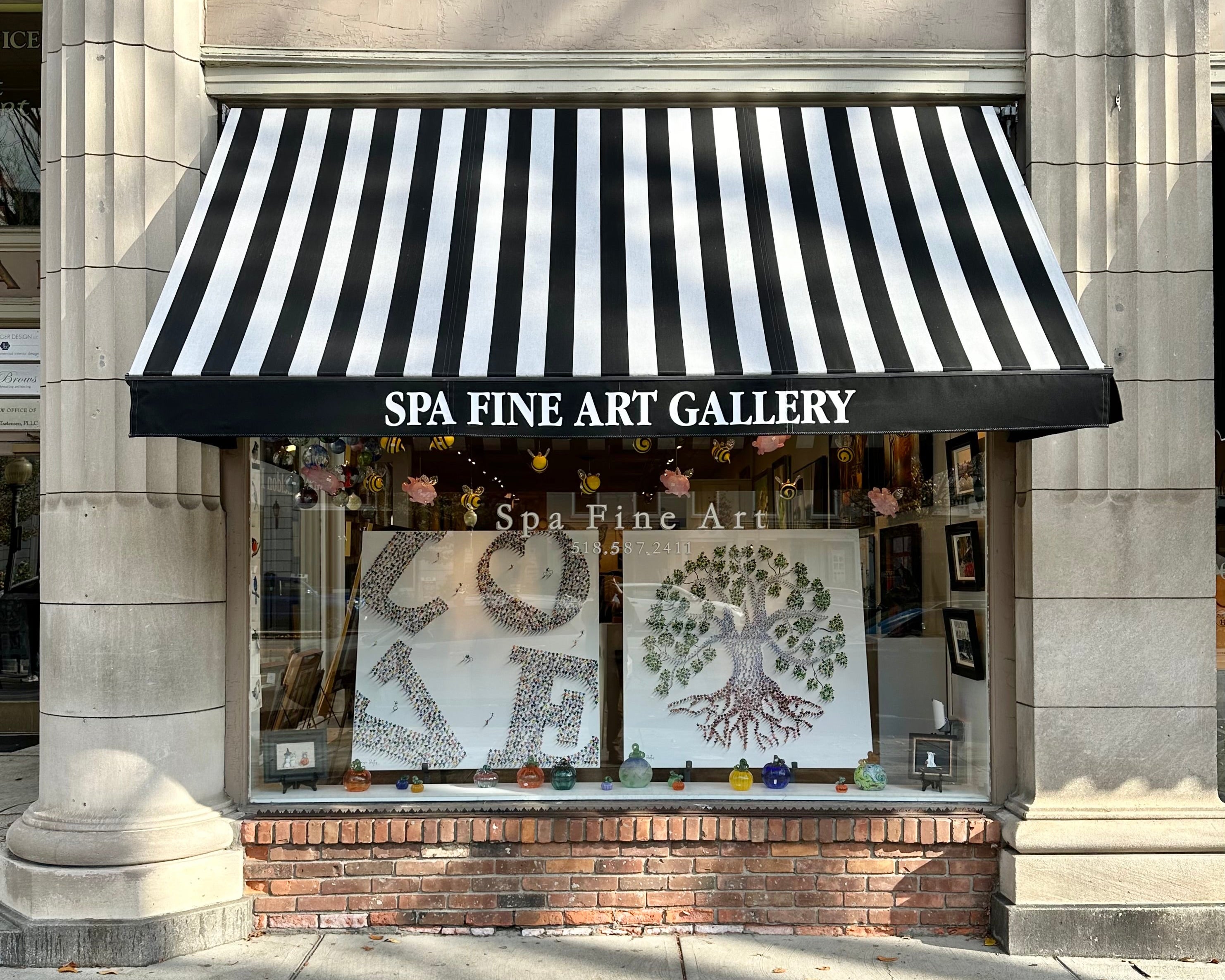
Beth Dacey’s Woman with Car and Woman in Plaid with Dog, featured at Spa Fine Art, offer an invitation to that kind of looking. Who is this person? What happened before this moment? What might happen next?
A work does not need to answer those questions to hold our attention. Sometimes the unanswered question is what keeps us returning.
Contrast Creates a More Interesting Collection
A collected home does not require loyalty to a single style. Some of its strongest relationships can emerge between works that initially seem quite different.
Consider the atmospheric landscapes of Dennis Sheehan. Working within the Tonalist tradition, Sheehan uses richly pigmented shadows and controlled transitions to make light appear to emerge from within the landscape.
Now consider the work of Hunt Slonem. His repeating birds, butterflies, and rabbits create a different experience, built through rhythm, expressive paint handling, and color.
A quiet landscape and an exuberant composition can bring welcome variety to the same room. One offers a place for the eye to rest; the other draws it into motion.
The practical question is not simply whether the works match. Look for a connection: a recurring color, a complementary scale, or a frame finish that helps the grouping feel intentional. Then allow the differences to remain.
Sculpture Changes More Than a Wall
Paintings influence a room’s color and atmosphere. Sculpture adds another dimension: the way we move through the space.
Works such as Susanne Stroh’s Half Pass and Giselle invite viewing from different angles. As our position changes, so does the relationship between the figure, its silhouette, and the space around it.
A sculpture can give a console, library table, or overlooked corner a distinct purpose without requiring an entire wall.
Placement matters. Leave enough space around the work to appreciate its outline, and consider what sits behind it. A busy background can obscure a form that becomes striking against a quieter surface.
Digital Discovery, Physical Connection
Finding art online and appreciating it in person are complementary experiences.
Avant Arte’s 2026 New Generation Survey, which engaged more than 2,000 collectors, enthusiasts, and professionals, highlights the importance of social media in younger collectors’ discovery of art. It also describes interests that cross periods, including enthusiasm for both Old Masters and contemporary work.
For collectors, the opportunity is considerable. Online discovery makes it easier to encounter an unfamiliar artist or explore a direction beyond an established preference.
The next step is to understand the physical work. Ask for close-up photographs, confirm the framed dimensions, and consider a scaled room preview. An image can show the artwork beautifully while leaving its actual presence difficult to judge.
Create a Home That Could Only Be Yours
Trends are useful when they give us permission: to embrace color, combine styles, introduce sculpture, or choose a work because it creates a genuine reaction.
But the goal is not a room that proves you knew what was current. It is a room that proves you knew yourself.
A collection can begin with one painting. Over time, another work adds contrast, a sculpture introduces movement, and the relationships between them become part of everyday life.
That is the irreplaceable interior. Its character comes not from following a formula, but from the decisions of the person who lives there.
Explore Spa Fine Art’s artists, or discover our art advisory and room preview services for help finding the right work for your space.