
Starting an art collection can feel exciting, but it can also feel like something you are supposed to already understand before you begin.
In reality, most collections do not begin with a grand plan. They begin with one piece that feels right, one room that needs something meaningful, or one moment of recognition when a work stays with you longer than the others. A collection grows from there.
The best collections are not built all at once. They are built gradually, through curiosity, instinct, and a clearer sense of what you want to live with over time.
Start with what you respond to
The strongest place to begin is not with rules. It is with attention.
What kinds of pieces do you keep returning to? What colors, moods, subjects, or styles feel natural to you? Which works would you still want to look at every day, not just for a moment, but over time?
A good collection does not need to follow one exact look, but it should feel connected to your taste in some way. That connection matters more than trying to buy what feels impressive or “right” on paper.
One piece is enough to begin
A collection does not need to start with several works at once.
Often, one piece is the beginning of everything else. It sets a tone, creates confidence, and gives you something to respond to as you move forward. Once you live with a first piece, it becomes easier to understand what you want next and how future choices might relate to it.
There is no minimum threshold for becoming a collector. If you are choosing art thoughtfully and living with it intentionally, you are already beginning.
Think about where the artwork will live
A beautiful piece still has to work in the space.
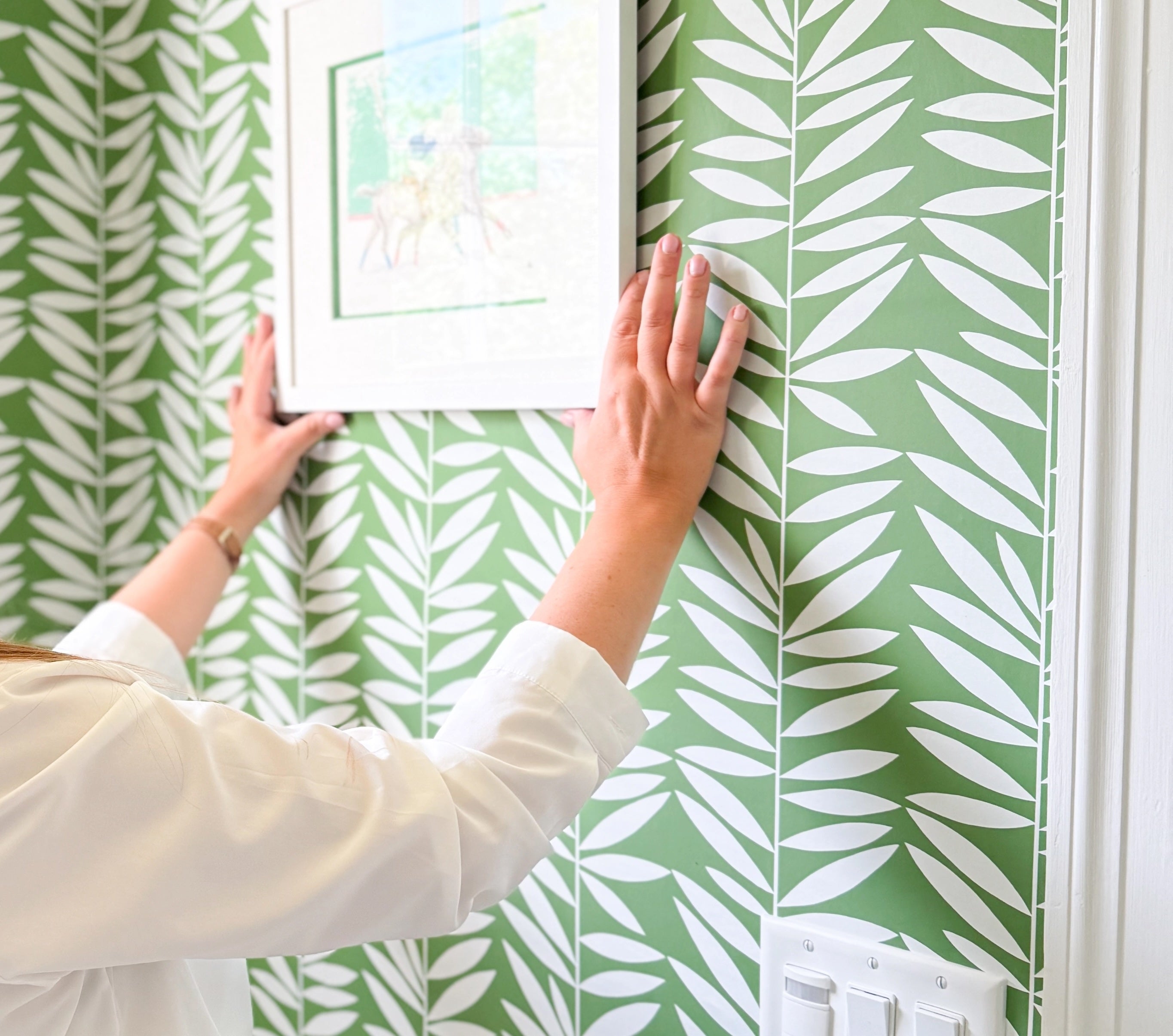
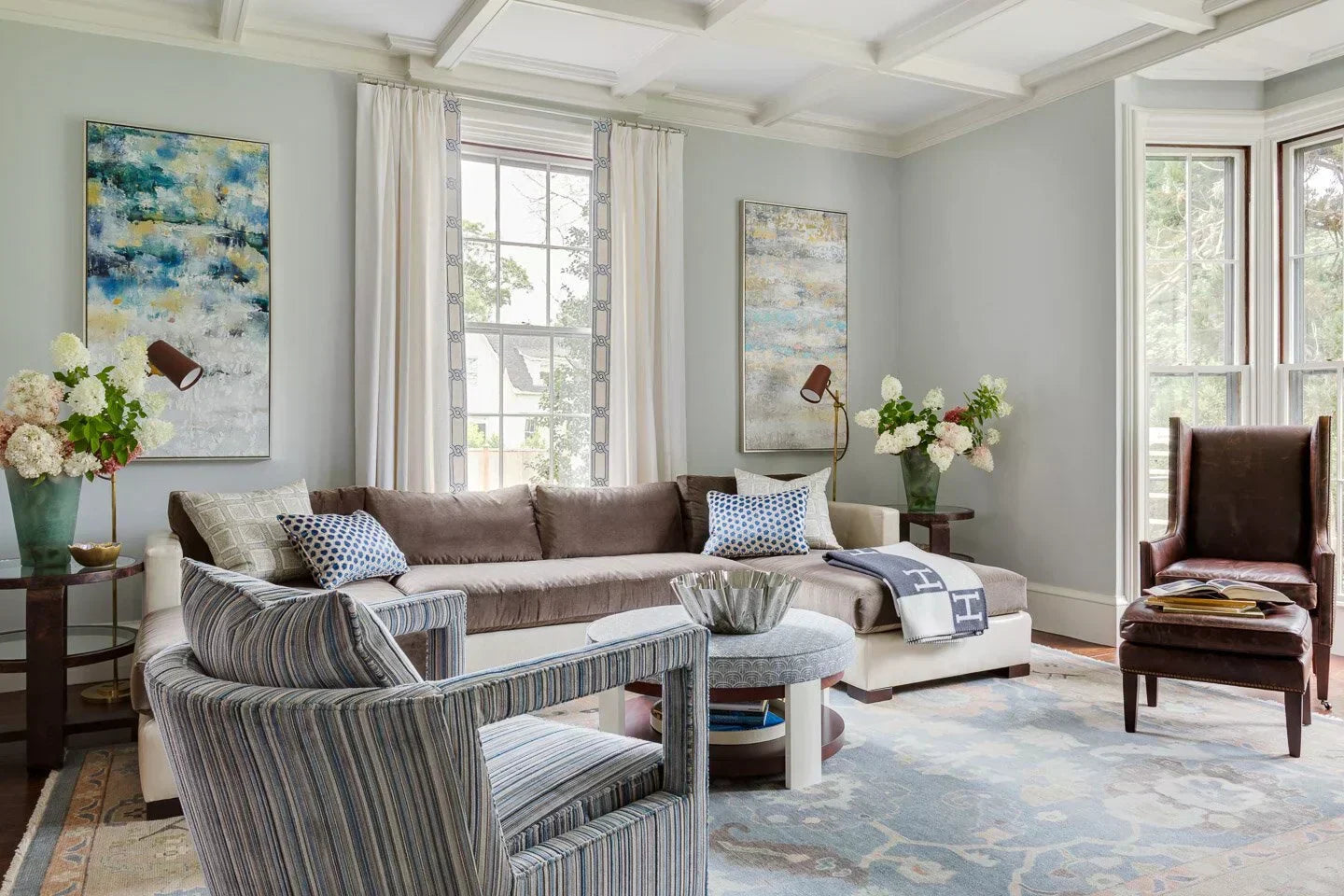
Scale, placement, light, and surrounding furniture all affect how a work feels once it is in the room. Sometimes the right piece is the one that fills an important wall. Sometimes it is smaller and more personal, meant for a quieter moment in a bedroom, entry, or study.
Starting with the room can make the process feel more grounded. It helps turn the question from “What should I buy?” into “What belongs here?”
Let budget guide you, not limit you
Budget matters, but it does not need to make the process feel narrow.
Some collectors begin with original works. Others begin with prints or editions. Many do both. What matters is choosing intentionally and understanding what feels right for your space, your priorities, and the kind of collection you want to build over time.
A collection does not need to be built quickly, and it does not need to begin with your largest purchase. It is often better to buy one piece you truly connect with than several pieces chosen only to fill space.
Pay attention to how pieces relate over time
A collection does not have to match, but it should feel considered.
That might mean a shared palette, a similar mood, a recurring medium, or simply a sense that the pieces belong to the same person. Some collections are highly cohesive. Others are more varied and layered. Both can work beautifully.
What matters is the rhythm that develops as you go. The more thoughtfully you build, the more naturally the collection begins to reflect your eye.
Give yourself room to learn
Part of collecting is learning what stays with you.
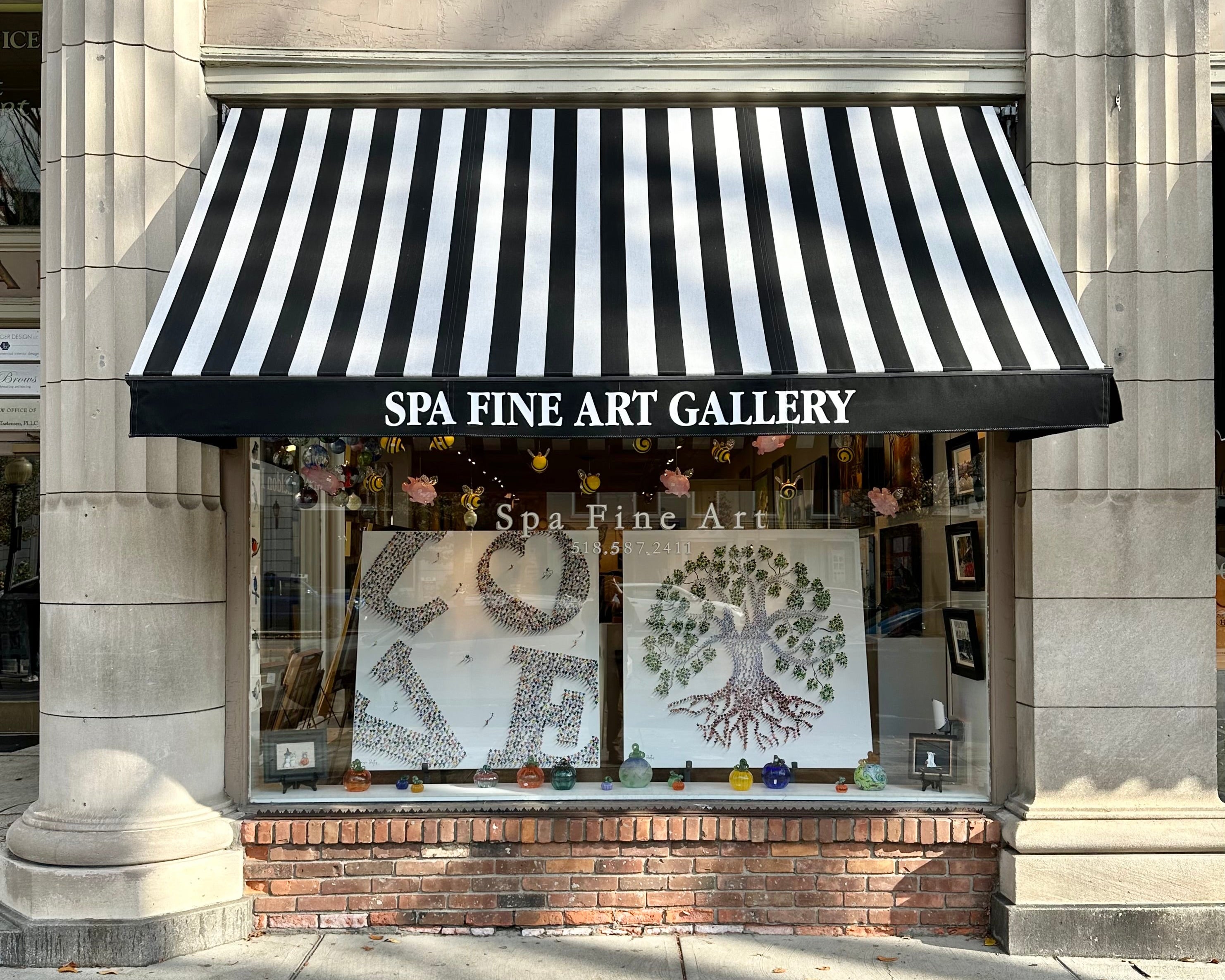
That may happen through visiting galleries, revisiting artists, comparing originals and prints, seeing how works feel in person, and noticing what continues to hold your attention. You do not need to have your taste fully defined at the beginning. In many cases, that clarity comes from the process itself.
A good collection is rarely finished. It evolves as you do.
Collecting art should feel personal, not intimidating. It is less about chasing a perfect formula and more about building a relationship with what you choose to live with. Over time, even a small collection can say a great deal about how you see, what you value, and what you want your space to hold.