

For many collectors, knowing what they like is not the hard part. Knowing what will actually work in the space is where things become less clear.
That is often where art advisory becomes most helpful.
At its best, art advisory is not about telling someone what to buy. It is about helping narrow the field, refine the direction, and make the process feel more thoughtful and less overwhelming.
It starts with understanding the space
A piece can be beautiful on its own and still not feel right once it is in the room.
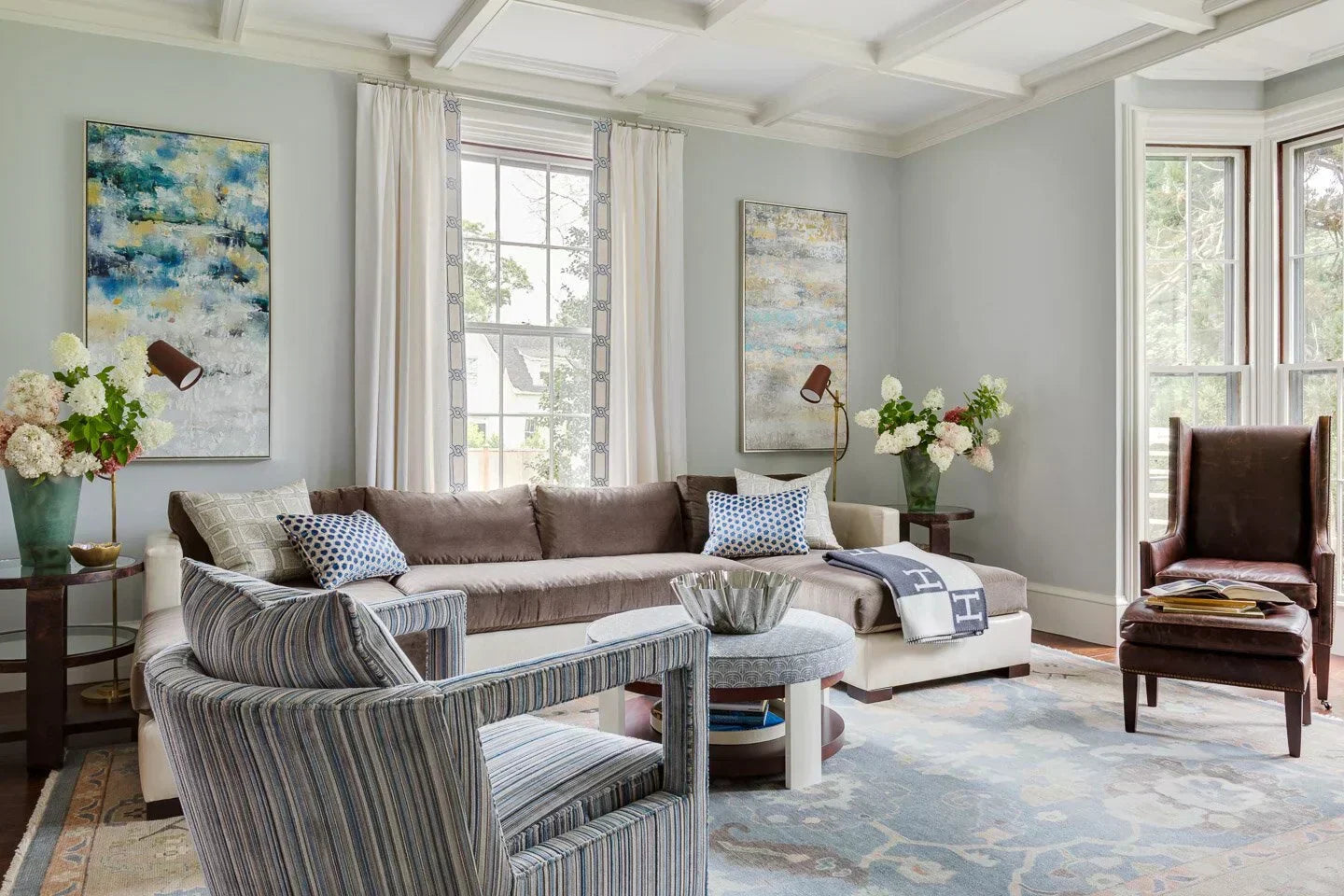
Scale, placement, architecture, lighting, furniture, palette, and mood all play a role in how artwork lives in a space. Art advisory helps bring those pieces together so the decision is based on more than instinct alone.
Sometimes the question is about size. Sometimes it is about subject matter or tone. And sometimes it is simply about finding the piece that makes the room feel finished.
It helps narrow the options
One of the biggest challenges in buying art is not a lack of choices, but too many.
When several works feel possible, it can be difficult to tell which one has the strongest presence, the right scale, or the best relationship to the room. Art advisory helps narrow those options in a more intentional way.
That might mean refining by palette, size, subject, mood, price point, or overall feel. It can also mean comparing a few strong candidates rather than looking at everything at once.
It gives context to the decision
Artwork almost always makes more sense in context.
A piece that feels modest online may feel perfect once it is placed over a console. A painting that initially seems large may turn out to be exactly what the room needs. Sometimes the opposite is true.
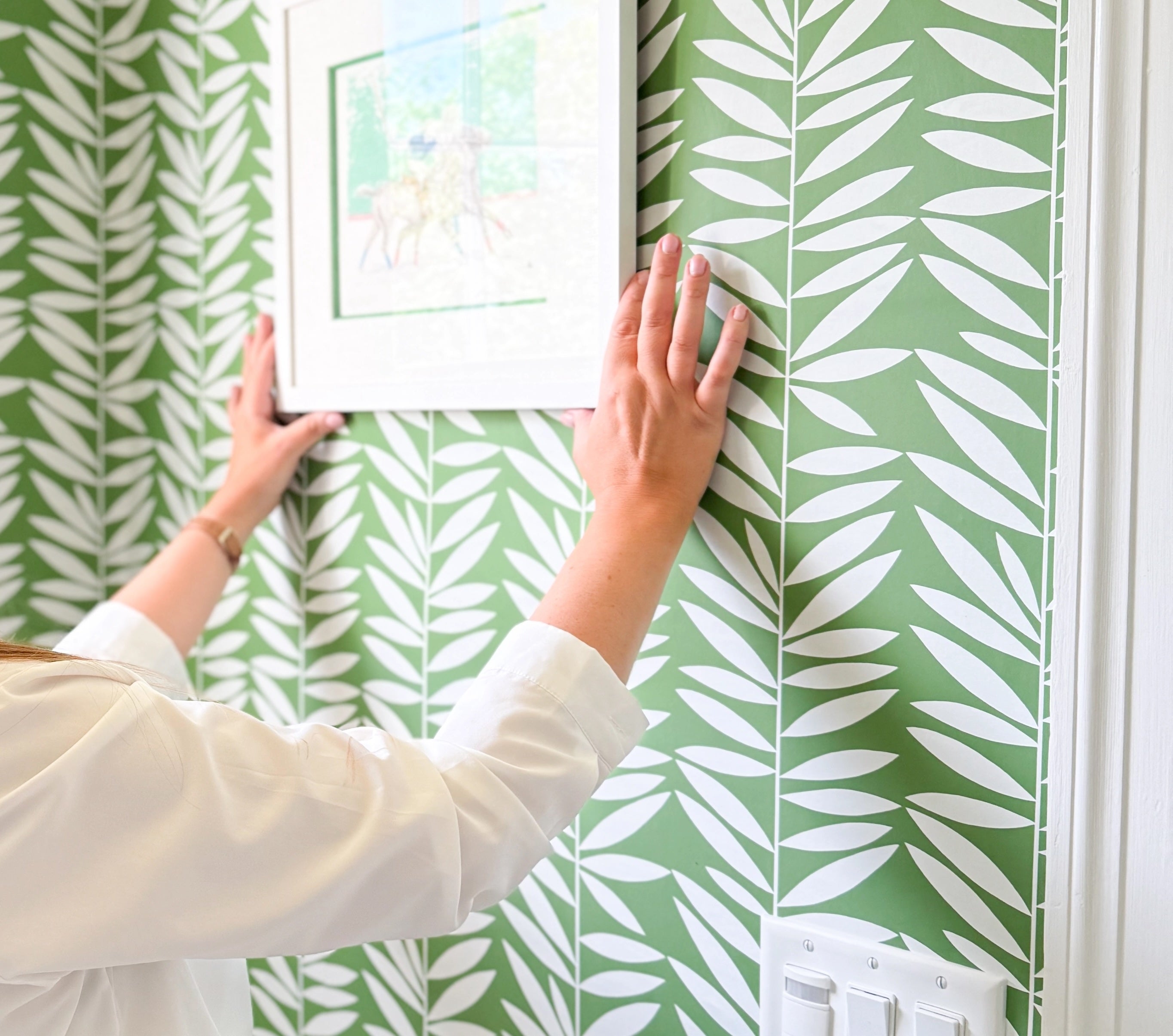
This is why room photos, measurements, and mockups can be so helpful. They allow the decision to shift from abstract to visual, which often brings much more clarity.
It makes scale easier to understand
Scale is one of the most common reasons people hesitate, and one of the easiest things to solve with guidance.
Art advisory helps answer practical questions like:
-
Is this piece large enough for the wall?
-
Would one larger work feel better than two smaller ones?
-
Does the artwork relate well to the furniture below it?
-
Would a vertical format work better than a horizontal one?
These are often difficult to judge in isolation, but much easier to understand once the room itself becomes part of the conversation.
It can help shape the overall direction
Sometimes a collector already has a clear style in mind. Other times, they are still figuring that out.
Art advisory can help define whether a space calls for something quieter or more expressive, more tonal or more graphic, more structured or more atmospheric. It can also help bridge the gap between what someone is drawn to emotionally and what actually belongs in the room.
That guidance is often what turns a search into a decision.
It is useful for more than one kind of collector
Art advisory is not only for large projects or major purchases.
It can be helpful for someone choosing a single piece for a difficult wall, comparing options for a living room, trying to understand scale, or looking for a more cohesive direction. It can also be valuable for collectors furnishing multiple rooms or working through a larger design plan.
The point is not how much artwork is involved. It is whether a little guidance would make the decision easier.
A final note on what it is really for
Art advisory is there to make the process feel clearer, more confident, and more personal.
It helps remove some of the guesswork and replaces it with proportion, context, and thoughtful guidance. For some people, that means confirming a choice they were already close to making. For others, it means discovering an option they may not have found on their own.
Either way, good guidance tends to make collecting feel less intimidating and much more enjoyable.
If you need help narrowing options, understanding scale, or visualizing artwork in your space, our team is always happy to help.