
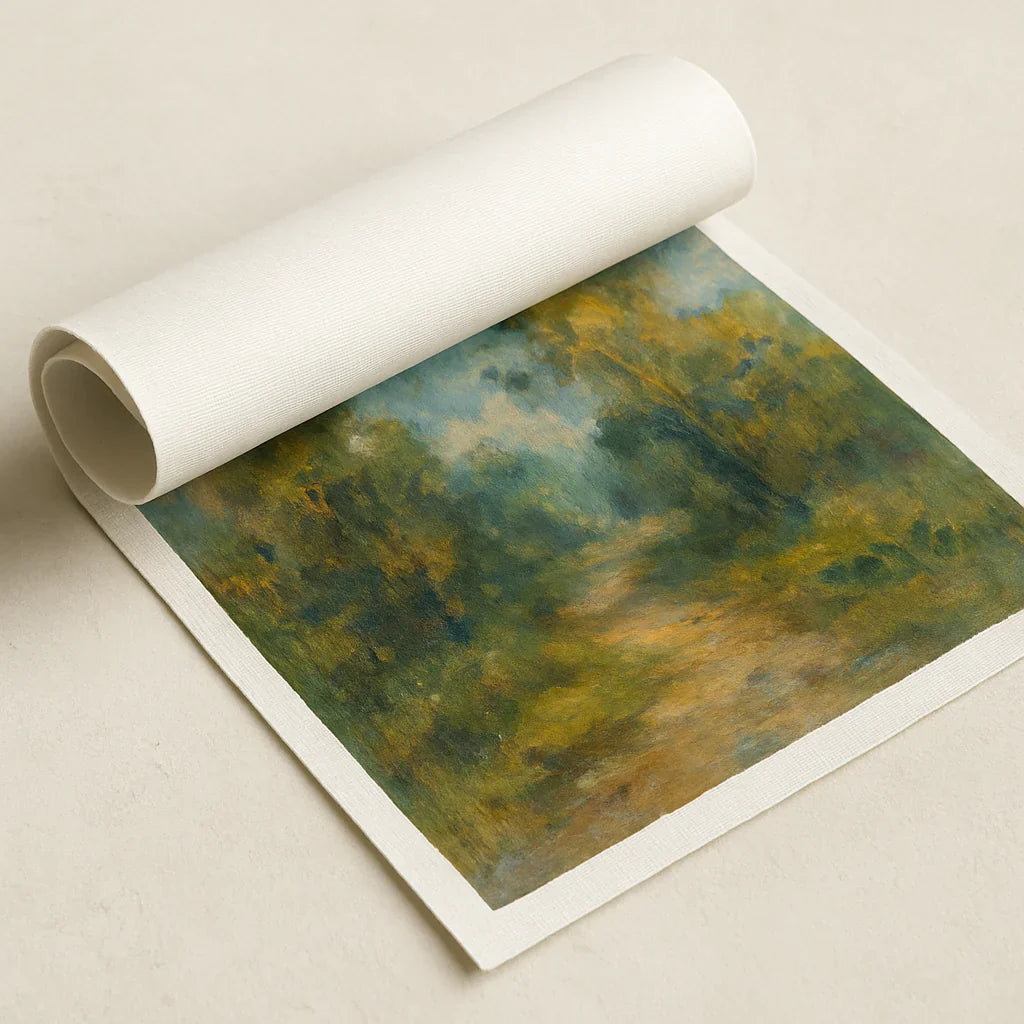
Walk into any gallery, and you will usually find a mix of originals and prints. For some collectors, the difference feels obvious. For others, the language can get murky quickly, especially once terms like limited edition and giclée enter the conversation.
The good news is that the distinctions are not as complicated as they sometimes sound. What matters most is understanding what you are looking at, how it was made, and what kind of relationship you want to have with the piece once it is in your space.
Original Artwork
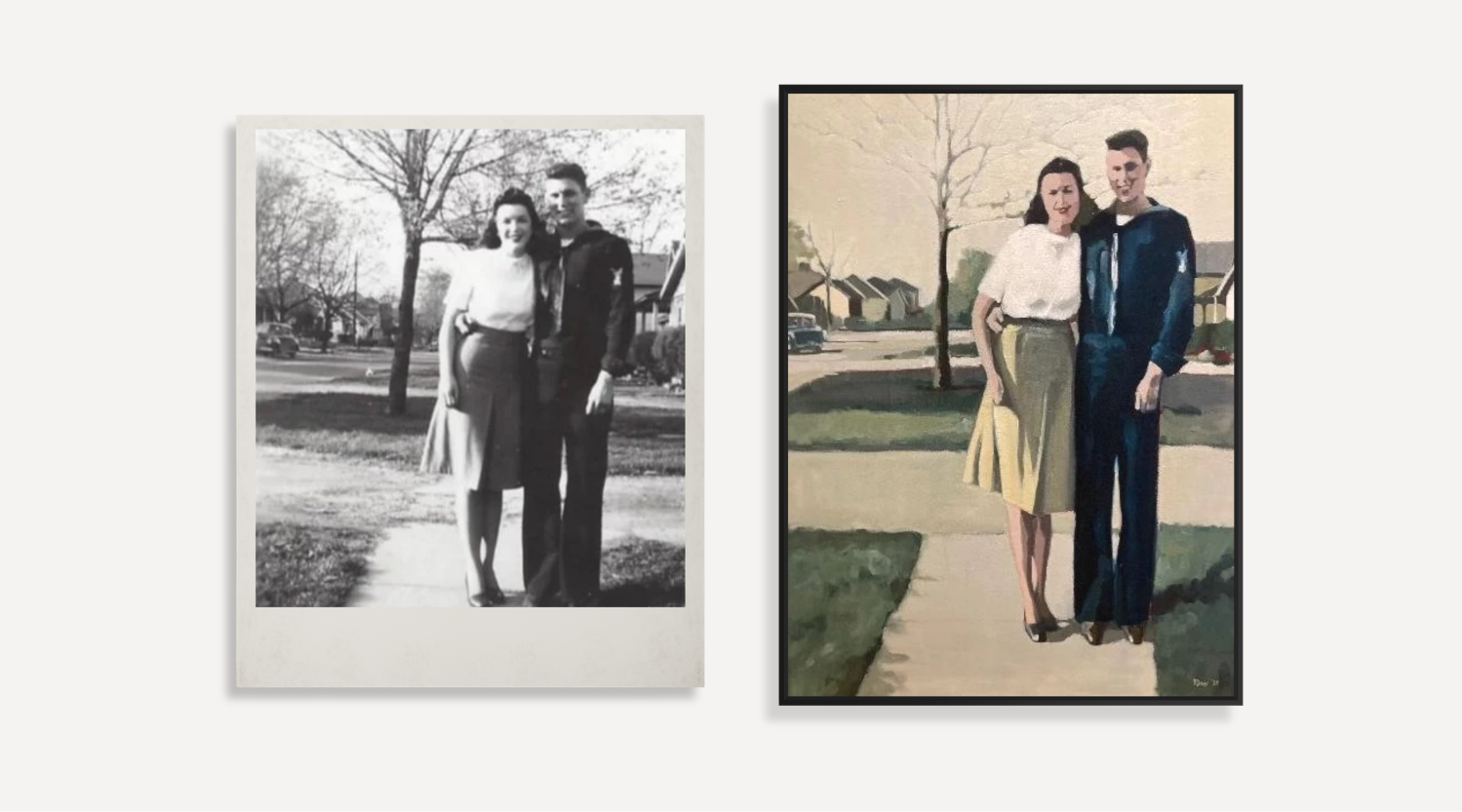
An original is the one-of-a-kind work made directly by the artist’s hand. It may be a painting, watercolor, drawing, mixed media piece, or sculpture, but there is only one of it.
That uniqueness is part of the appeal. With an original, you are living with the actual object the artist created. You see the surface, the texture, the brushstrokes, and the small details that give the work its physical presence. In many cases, that is what makes an original feel especially personal. It carries the full weight of the artist’s process in a way nothing else quite can.
For many collectors, that singularity is exactly the point.
Limited Edition Prints
A limited edition print is a reproduction of an original artwork produced in a set quantity. The edition may be signed, numbered, or both, and once the full edition has been produced, no additional prints from that edition are made.
This is often where prints become more meaningful to collectors. A limited edition still is not an original, but it is a more controlled and intentional format than an unlimited reproduction. The artist often works closely with a printer to approve the image, scale, and overall quality, and the edition size becomes part of the work’s identity.
For collectors who love a particular image but are not ready for an original, a limited edition can offer a thoughtful middle ground.
Open Edition Prints
Open edition simply means there is no fixed limit on how many prints may be produced. The term does not describe quality on its own. It only describes quantity.
That does not make an open edition less worth owning. It simply places it in a different category. For some collectors, an open edition offers a more flexible and accessible way to live with an image they love, especially when the focus is less on rarity and more on how the piece will look and feel in the space.
What a Giclée Is
Giclée refers to the printing method, not the category of artwork.
In most cases, the term is used for high-quality fine art prints produced with archival inks on paper or canvas. A giclée can be either open edition or limited edition, so the word itself does not tell you how many exist. It tells you more about how the print is made.
What matters is not the term alone, but what it suggests about quality. A well-made giclée should offer strong color, clarity, and depth, with materials chosen to hold up beautifully over time. It belongs in a very different category from a basic poster or decorative reproduction, even though it is still, at its core, a print.
Why the Difference Matters
The difference between an original and a print is not just about rarity. It is also about presence, format, and what you want the piece to do in the room.
An original often brings a physicality that is hard to replicate. You feel the surface. You notice the hand of the artist. It tends to have a singular presence.
A print offers something else. It may give you access to an image you love in a format that is more flexible in scale, more approachable in price, or simply better suited to the project at hand. In the right setting, a beautifully made print can feel every bit as intentional as an original.
This is less about hierarchy and more about fit.
Which One Should You Buy
That depends on what you are looking for.
If you want a one-of-a-kind work with real surface, texture, and singularity, an original may be the right choice. If you are drawn to a specific image and want a strong, beautifully made piece at a different price point, a limited edition print may make perfect sense. If you are looking for a flexible, high-quality print and are less concerned with edition size, an open edition giclée may be the right fit.
The best choice is not always the most expensive one. It is the one that feels right for the space, right for your priorities, and right for the way you want to live with the work.
What to Pay Attention To
When looking at prints, it helps to go a little further than the label alone.
Pay attention to the quality of the image, the richness of the color, the material it is printed on, the way it is presented, and the overall feeling it has in person. A strong print should still feel considered. It should still feel worth framing well and living with over time.
Collectors do not need to approach every decision as a calculation. But it does help to know what category of work you are buying and what that means in practical terms.
In the end, collecting art is about connection. Originals, limited editions, open editions, and giclées each have their place. The important thing is not choosing the “right” category in the abstract. It is choosing the piece that feels right to you and the life you want it to have in your space.