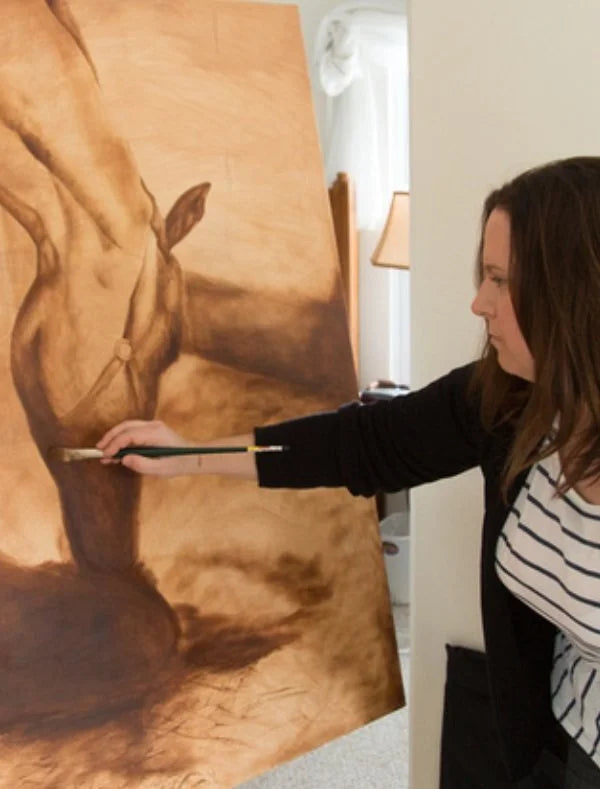

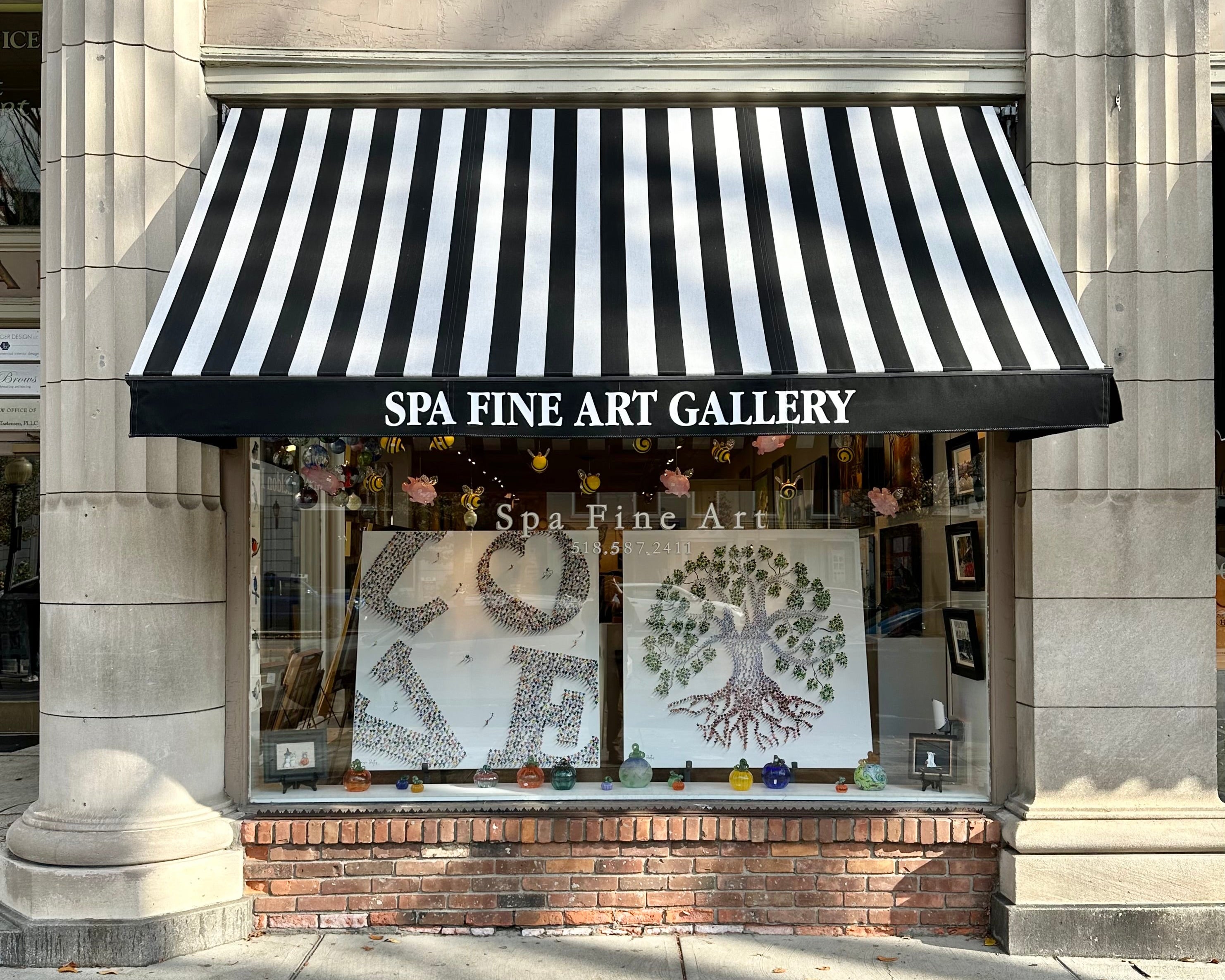
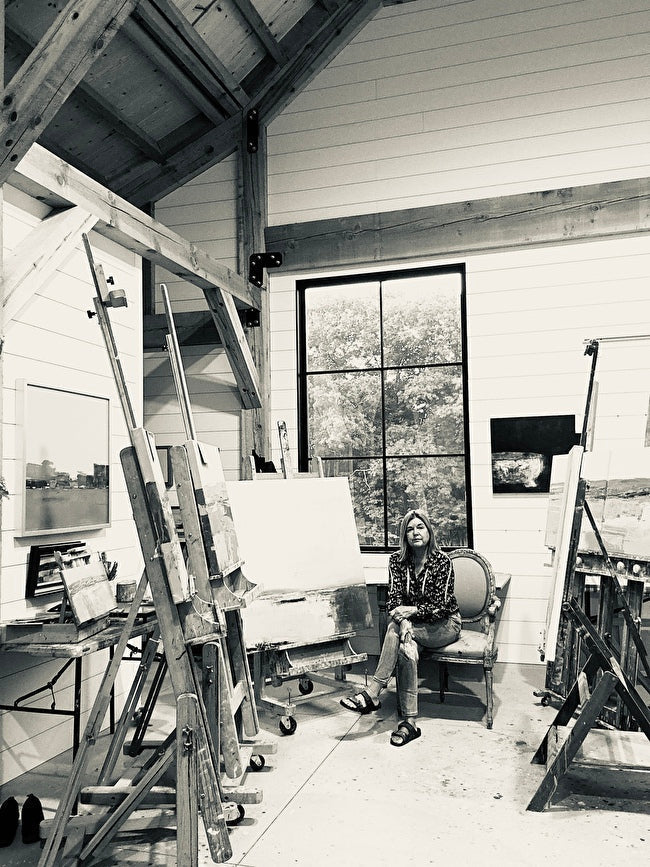
Artist Deborah Hill draws inspiration from the natural world, from rural fields and marshes to beaches, horses, and still life in the studio. Across those subjects, what stands out is her sensitivity to color and structure. Her paintings often begin with something recognizable, then open into something more interpretive through brushwork, surface, and the way color is allowed to lead. Hill is described by Spa Fine Art as a classically trained artist with a BFA in painting who works between Charleston, South Carolina and Upstate New York, with collectors throughout the United States and internationally.
Deborah Hill, Horse & Rider Series
What gives the work its distinct character is the way Hill lets representation and abstraction meet. Rather than rendering a landscape, marsh, or equine subject in a strictly literal way, she uses color, gesture, and paint application to create what feels more like a visual path through the composition. The image remains grounded in place, but the painting asks the viewer to move through it, following texture, contrast, and rhythm as much as subject. That balance is especially clear in recent works of beaches, farm fields, and horse-and-rider scenes, where atmosphere and motion matter just as much as description.
Deborah Hill, "Beach Walk" (10x20in)

Hill’s paintings also move easily between settings. Some pieces bring a room a welcome lift of color, while others settle into quieter palettes of gray, blue, green, or earth tones. That flexibility is part of their appeal. A single painting can stand on its own, or several can be grouped together to create a stronger sense of rhythm and continuity within a space. Her equine subjects may naturally resonate with racing and horse collectors, but the work extends well beyond that, offering something equally compelling for interiors shaped by landscape, atmosphere, and color.
What remains consistent throughout Deborah Hill’s work is her instinct for building a painting through feeling as much as form. Whether the starting point is a marsh, a field, a shoreline, or a horse in motion, the result is less about recording a scene than about translating its movement, mood, and structure into paint. That gives the work a sense of openness that feels both personal and inviting.