
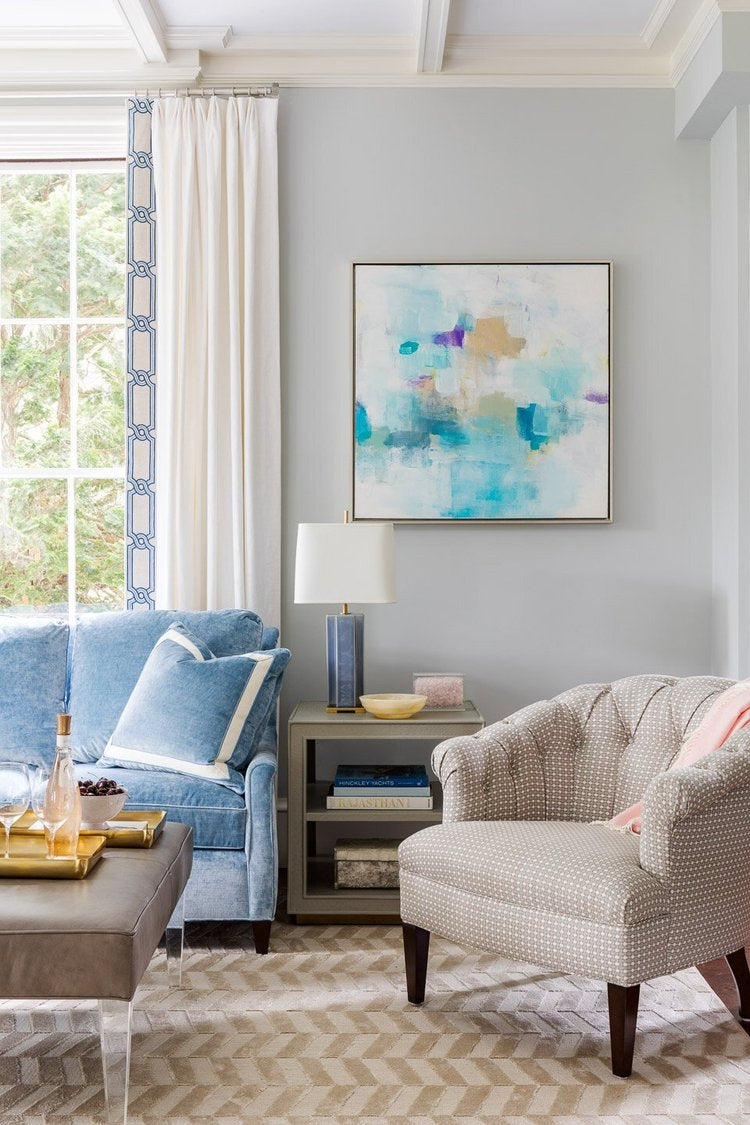
Art is often treated as the finishing touch, something chosen once the furniture is in place and the room is nearly done. Sometimes that works. Just as often, it leaves the artwork solving a problem it should have been part of shaping from the beginning.
The strongest rooms usually do not happen in pieces. They come together through relationships: scale and proportion, color and contrast, texture and light, architecture and placement. Art plays a meaningful role in that balance, which is why it often works best when it is considered as part of the room, not simply added at the end.
Art does not have to come last
There is a common idea that art should be the final layer. In reality, it can be one of the clearest starting points.
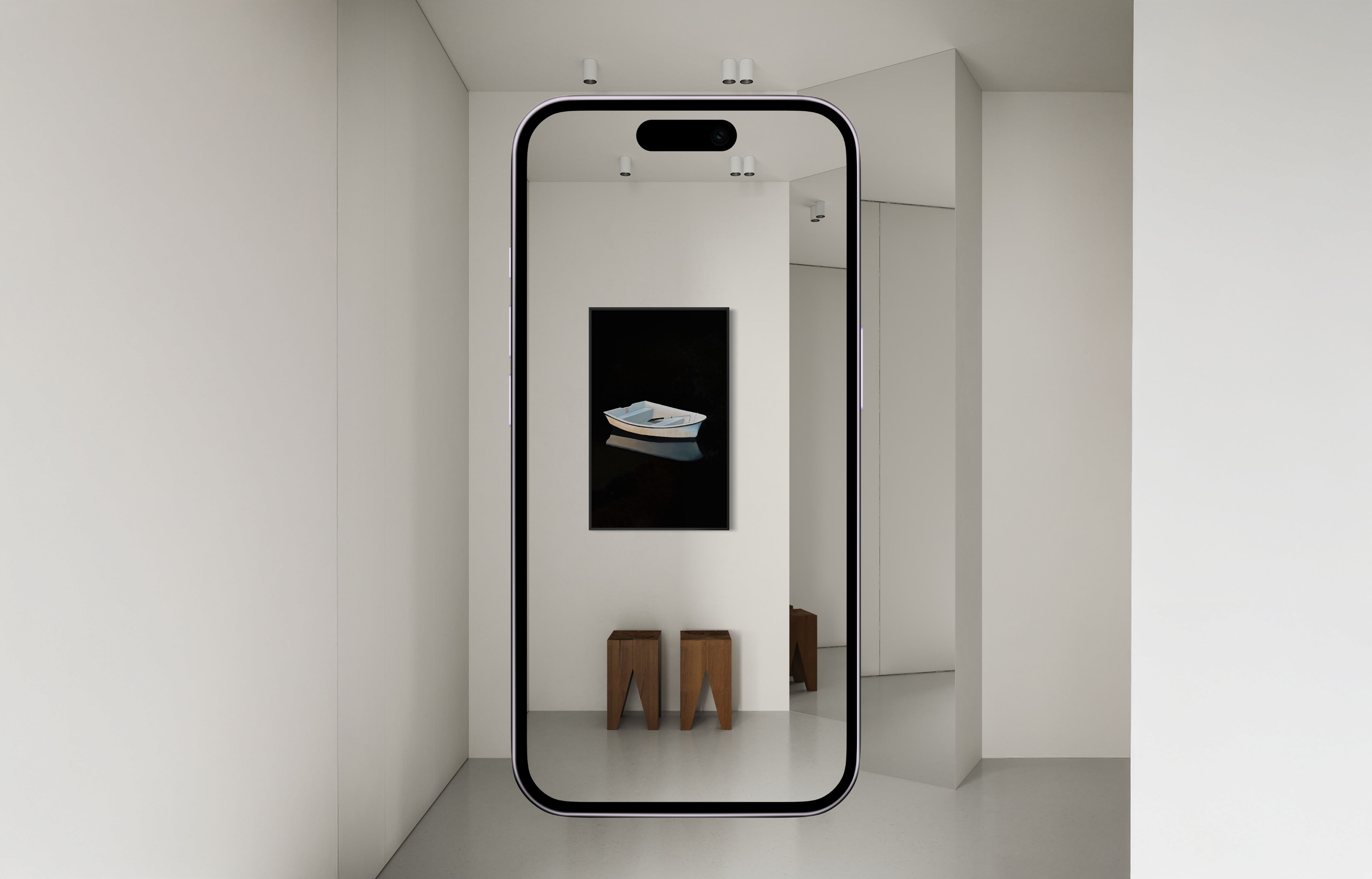
A painting can establish palette, mood, and visual rhythm in a way that helps the rest of the room make more sense. It can soften a space, sharpen it, warm it, or give it focus. When art is part of the conversation early, the room often feels more cohesive because the pieces are responding to one another rather than competing for attention later on.
That does not mean every room needs to begin with the artwork. It simply means art deserves a place in the process sooner than people often think.
The room shapes the way art is experienced
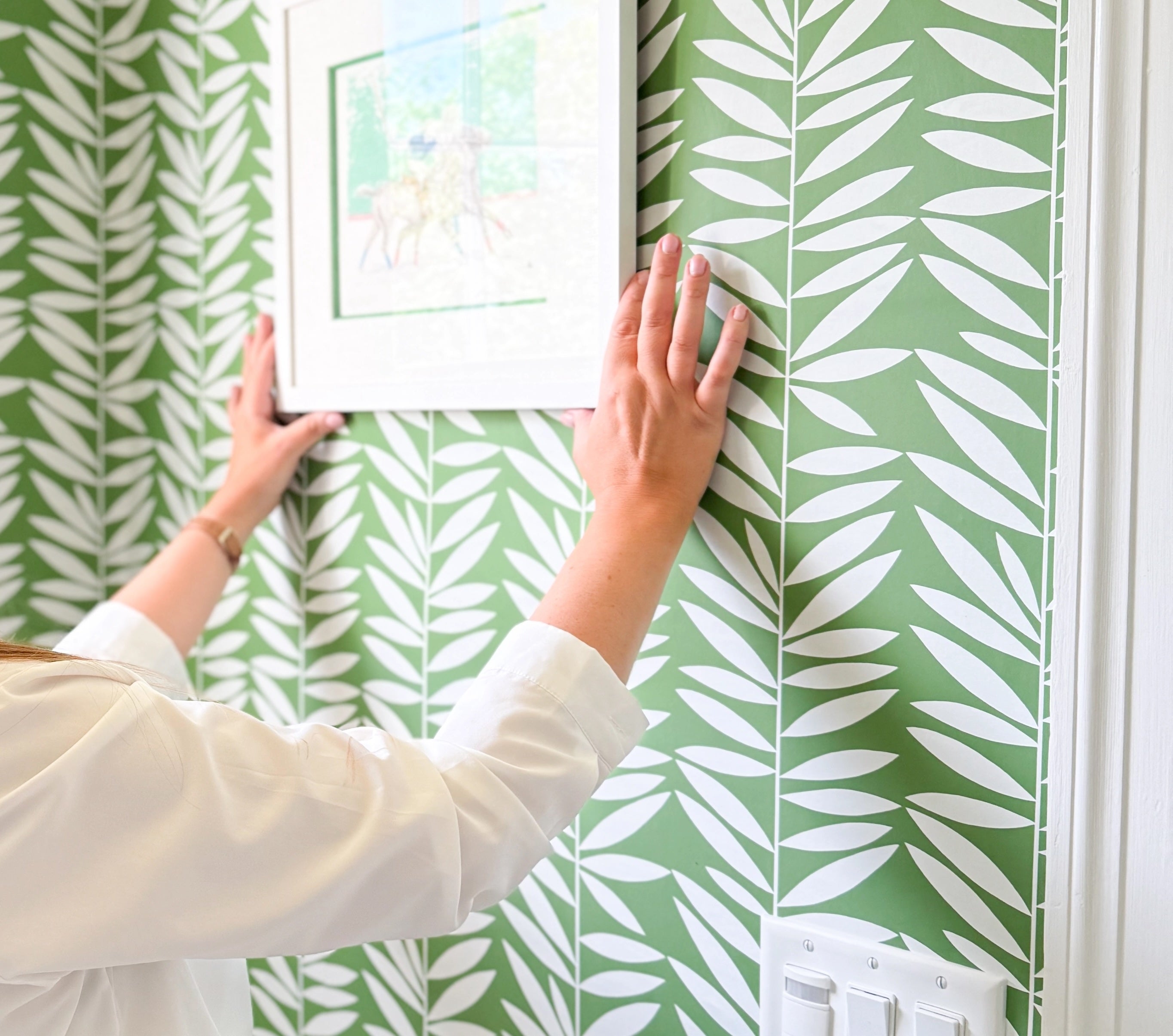
A piece may be beautiful on its own, but it is never seen in isolation once it is on the wall.
Furniture changes proportion. Lighting changes color. Architecture changes presence. Wall color, ceiling height, and surrounding materials all affect the way artwork reads in a space. This is why a painting that feels perfect in the gallery can feel entirely different once it is placed in a room with real conditions around it.
Art and interiors work best together when they are considered as a whole. The goal is not to make everything match. It is to make everything relate.
Good design and good art sourcing solve different parts of the same puzzle
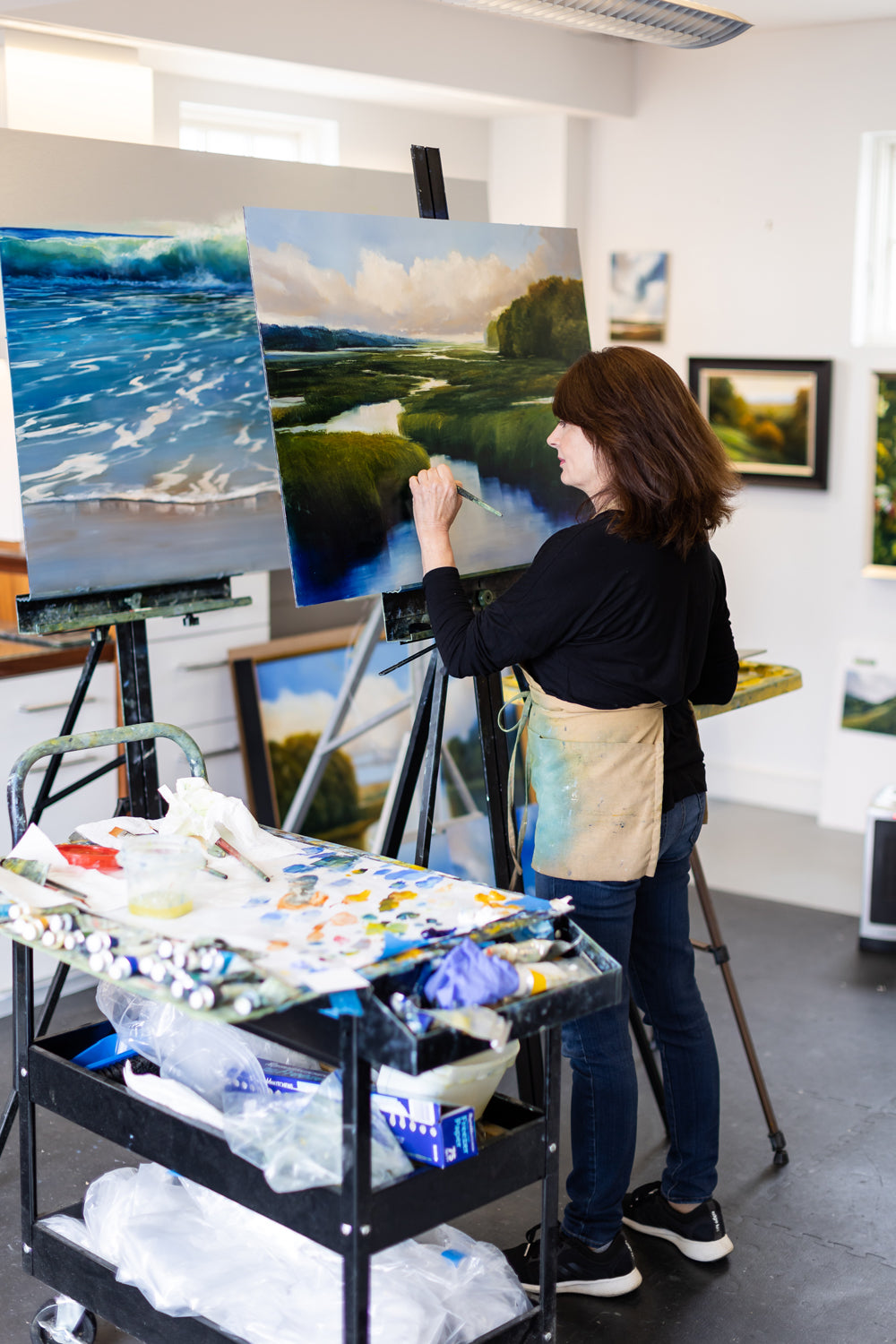
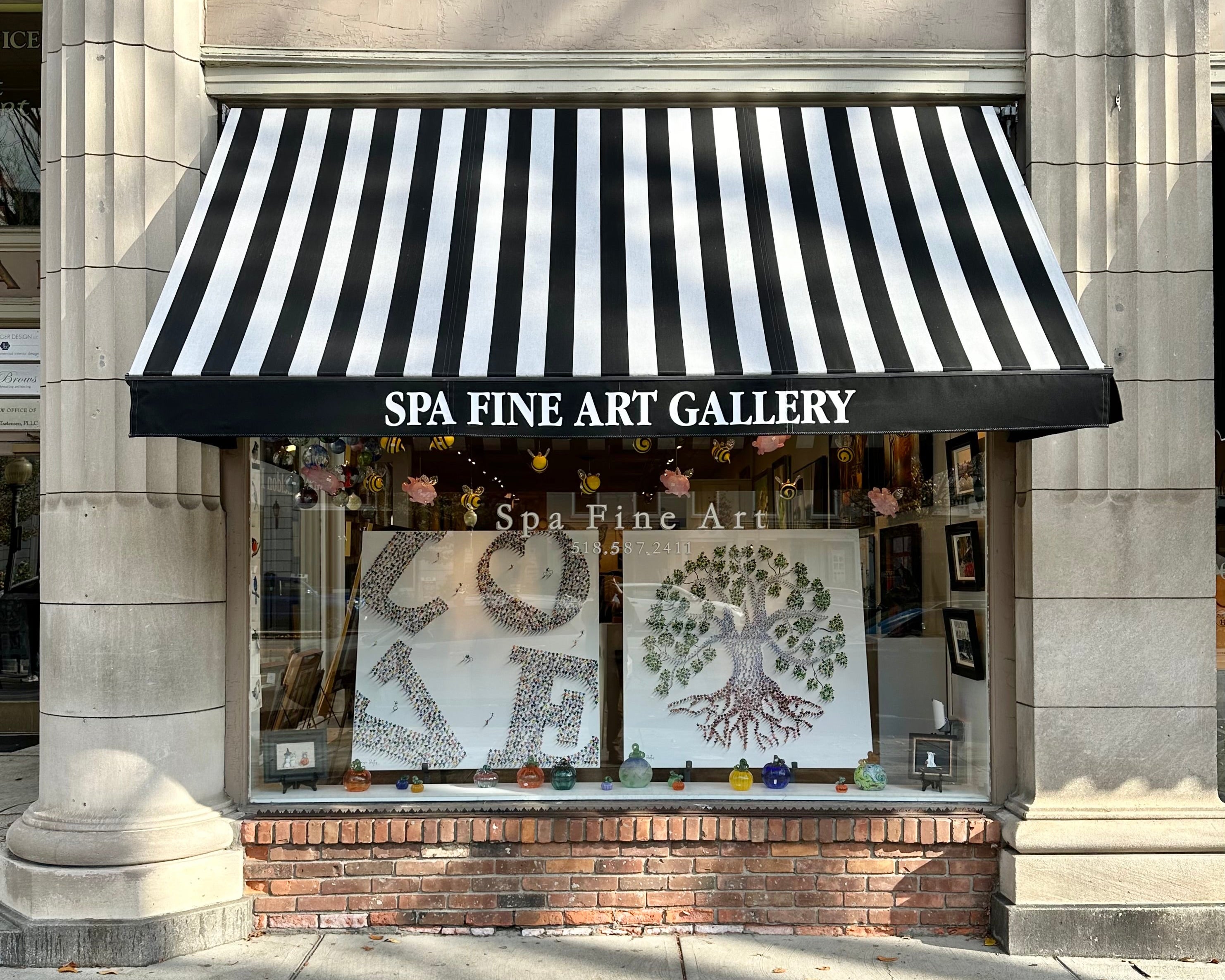
Interior designers and galleries are not doing the same job, but when they work well together, the result is often stronger than either one working alone.
A designer may be thinking about flow, furnishings, finishes, lighting, and how the home functions day to day. The gallery is thinking about what the artwork brings to the room: scale, mood, composition, palette, and presence. Those two perspectives support each other.
For collectors, that can make the process feel much clearer. Instead of trying to solve every part of the room separately, the decisions begin to reinforce one another.
Sometimes more complete support makes sense
Not every project needs full design help. But some do.
A new home, a renovation, a difficult room, or a space that never quite feels finished can all benefit from a broader perspective. In those situations, art selection becomes even stronger when it is part of a larger design conversation.
For clients looking for more full-service support, we are always happy to help point them in the right direction.
Design support beyond the art
For clients who want a more complete design perspective, we’re also fortunate to work alongside trusted designers, including Diane Meyer at Interior Designs Atelier, Nancy Denooyer of Plum & Crimson, and Elizabeth Tanny of E. Tanny Designs. In the right project, that kind of collaboration can make the entire process feel more cohesive from the start.
Art does not need to be treated as separate from the rest of the room. In many of the most successful spaces, it is part of what makes everything else click into place. When the art, the interiors, and the overall feeling of the space are working together, the room tends to feel more natural, more complete, and much more lasting.